
Kathleen Hope Lumley (née Molyneux), Peter Hope Lumley, Patricia Hope Lumley, and her husband Percy Swain, owner of H. R. Owen.
C H E L S E A
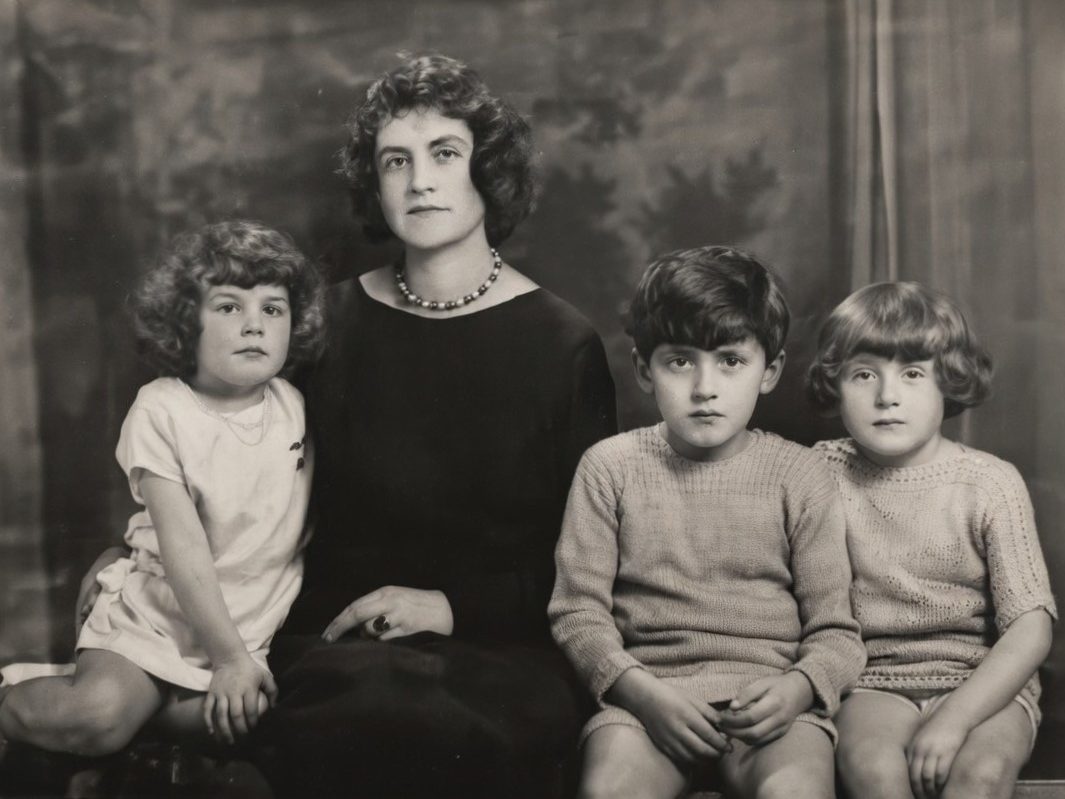
Hope Lumley | 140 Sloane Street 1924
Hope Lumley (née Molyneux)
For more than a century the story of the Molyneux Hope Lumley family in fashion has found its origins at 140 Sloane Street in Chelsea. Within this elegant townhouse Kathleen Hope Lumley, née Molyneux, established her private dressmaking practice, creating a setting in which family life and the disciplined craft of garment making existed in close and natural accord.
Clients from Knightsbridge and Mayfair arrived for fittings, entering a household where the measured rhythms of measuring, cutting, draping and refining garments formed part of daily existence. For her children, Michael Molyneux Hope Lumley and the twins Peter and Patricia, the house offered an environment of quiet instruction. Through sustained observation they absorbed an understanding of fabric, proportion, fit and the exacting standards of private clients, lessons drawn not from formal tuition but from immersion in the life of the house.
The address acquired particular resonance when Kathleen’s brother, Captain Edward Molyneux, stayed there while preparing to found his couture house on Rue Royale in Paris. His presence forged an early connection between Kathleen’s London based practice and the wider ambitions of Parisian couture. Edward’s emerging principles of refined tailoring, controlled line and modern simplicity quietly shaped the atmosphere of the household.
The house also received their cousin Eileen Molyneux, the silent film actress whose poised image graced the society pages of The Tatler. Kathleen produced garments for Eileen’s theatrical and screen appearances, including the 1918 series The Adventures of Eve, linking the private discipline of dressmaking with its public expression.
It was here, amid the elegant streets that still link Chelsea, Knightsbridge and Mayfair today, that the foundations of a family tradition in design were quietly laid. This was the beginning.
M A Y F A I R
Kathleen Hope Lumley (née Molyneux)
From 1930 to 1950, Kathleen served as Directrice of MOLYNEUX at 48 Grosvenor Street, Mayfair, her brother’s celebrated couture house. In this capacity, she functioned as both operational head and production manager for export, overseeing fittings, atelier coordination and the international flow of garments. She was instrumental in maintaining the discipline and precision of the house’s couture system across its London and Paris operations. Her responsibilities included the supervision of fittings for the coronation robes of King George VI and Queen Elizabeth in 1937, and she advised an elite international clientele that included Vivien Leigh, Marlene Dietrich, Greta Garbo and Lauren Bacall.
In 1950, following the closure of MOLYNEUX, she joined Horrockses as Public Relations Director. There she launched the house’s opening summer collection of 175 models, designed by her cousin John Tullis, Head of Design. At HORROCKSES, St George Street in Hanover Square, she brought couture discipline into the language of ready-to-wear, working closely with him to develop collections of cotton dresses, leisurewear and daywear.
Throughout the 1950s and 1960s, she continued to exert influence within the wider fashion landscape, advising Mrs Rose Kennedy and providing ready-to-wear garments and styling guidance, including a MOLYNEUX dress worn at John F. Kennedy’s presidential inauguration.
Her work bridged couture craftsmanship and modern retail production, shaping both clients and the next generation, including her children Peter and Patricia Hope Lumley. Her portrait forms part of the Victoria and Albert Museum image collection.
M A Y F A I R
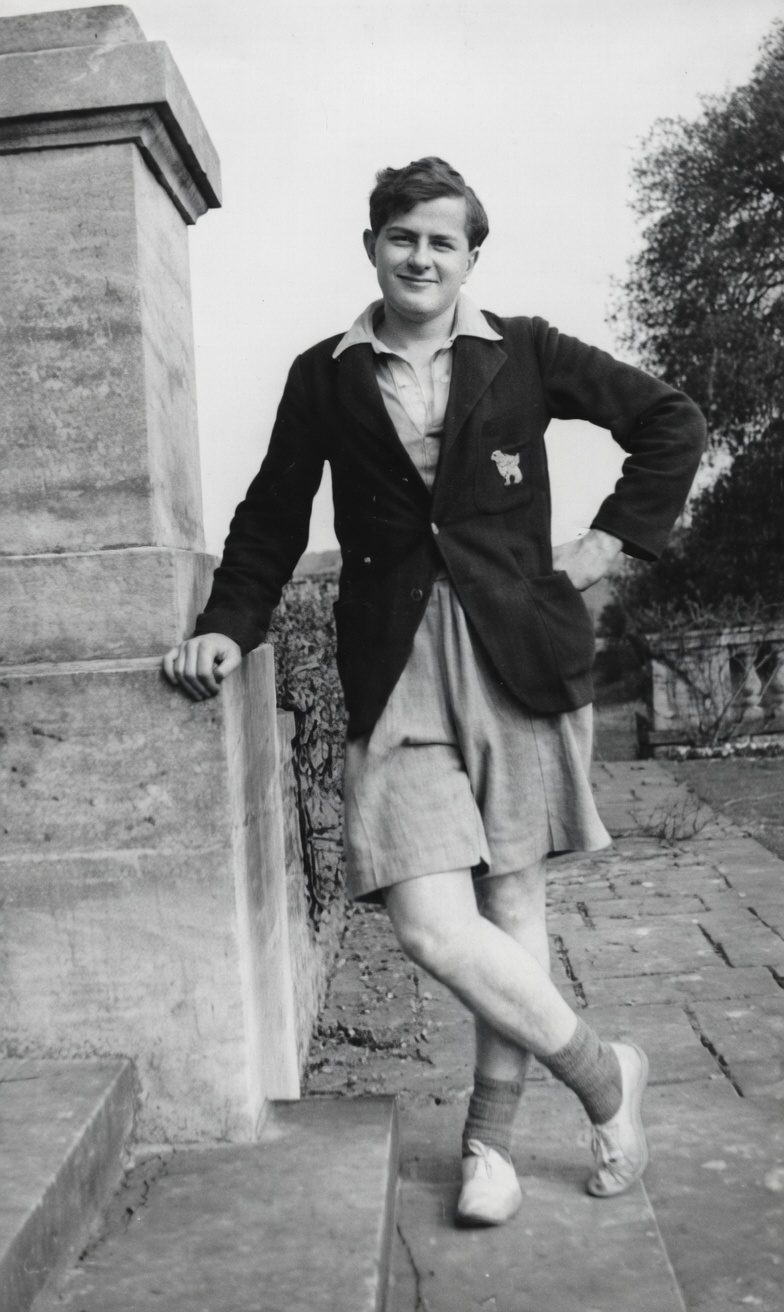
Peter Hope Lumley | Industrial Design | Fashion Public Relations
Peter Hope Lumley
Born in Chelsea, London, Peter Hope Lumley was educated in art and literature, with a particular focus on Bauhaus principles of design, colour, form, and textiles. He began his professional career as an industrial designer before training within the Molyneux atelier. This combination of formal study and hands-on experience informed his later work in textile promotion, couture production, and consultancy.
Growing up at 140 Sloane Street, he was immersed in the world of couture from an early age. He watched clients come and go, witnessed fittings and commissions, and observed the precision and artistry of his mother’s work. This upbringing gave him a unique insight into the workings of a professional atelier, which he carried into his career.
His early experience at MOLYNEUX provided practical knowledge of fabrics and atelier systems. Building on this foundation, he developed a role connecting textile production with the needs of designers and clients, effectively bridging manufacture and customer in a manner comparable to modern public relations, enabled by his detailed understanding of materials and their application.
From 1946, he represented Miki Sekers, promoting textiles used by leading couture houses, including Christian Dior (notably the 1947 “New Look”), Bianca Mosca, Jacques Fath, Jeanne Lanvin, Hubert de Givenchy, Jean Patou, Pierre Cardin, and the House of Worth. His work supported the adoption and distribution of new textile technologies within couture.
From 1947, he represented Edward Rayne of Rayne Shoes, supplying footwear to clients including Queen Elizabeth II, Diana, Princess of Wales, Katharine Hepburn, Elizabeth Taylor, Rita Hayworth, Brigitte Bardot, Jane Birkin, and Margaret Thatcher.
His consultancy also included Hardy Amies, whose clients ranged from royalty and political figures to film actors. Commissions included uniforms for British Airways, BOAC, the London Stock Exchange, film costume such as 2001: A Space Odyssey, the England World Cup team (1966), and the British Olympic squad (1972). In 1962, he represented Bernat Klein, whose textiles were adopted by Cristóbal Balenciaga, Yves Saint Laurent, Pierre Balmain, and Coco Chanel.
Through these roles, Peter Hope Lumley became a vital link between textile innovation and couture production. His twin sister, Patricia Hope Lumley, trained in the same environment and applied similar principles in a different field, developing luxury interiors for H.R. Owen.
B E R K E L E Y S Q U A R E
Patricia Hope Lumley
Born in Chelsea, London, Patricia Hope Lumley shared the same upbringing at 140 Sloane Street, immersed in the world of couture. She watched clients come and go, observed fittings and commissions, and absorbed the precision and artistry of her mother Kathleen’s work. This early exposure laid the foundation for her career in couture and luxury design.
Trained within the MOLYNEUX atelier under Edward Molyneux, Patricia worked as a seamstress, developing technical expertise in garment construction, including handling brocades, jacquards, linings, and structured bodices. She also assisted in fittings and client presentation, gaining a comprehensive understanding of couture practice.
She married Percy Swain, owner of H.R. Owen, and applied her couture training to the design of showroom interiors. Drawing on the discipline of proportion, material selection, and presentation learned within the atelier, she shaped the visual identity of spaces displaying prestigious marques such as Bentley and Rolls-Royce.
Her work demonstrated the seamless transfer of couture principles into another area of luxury presentation, maintaining continuity with the Molyneux approach.
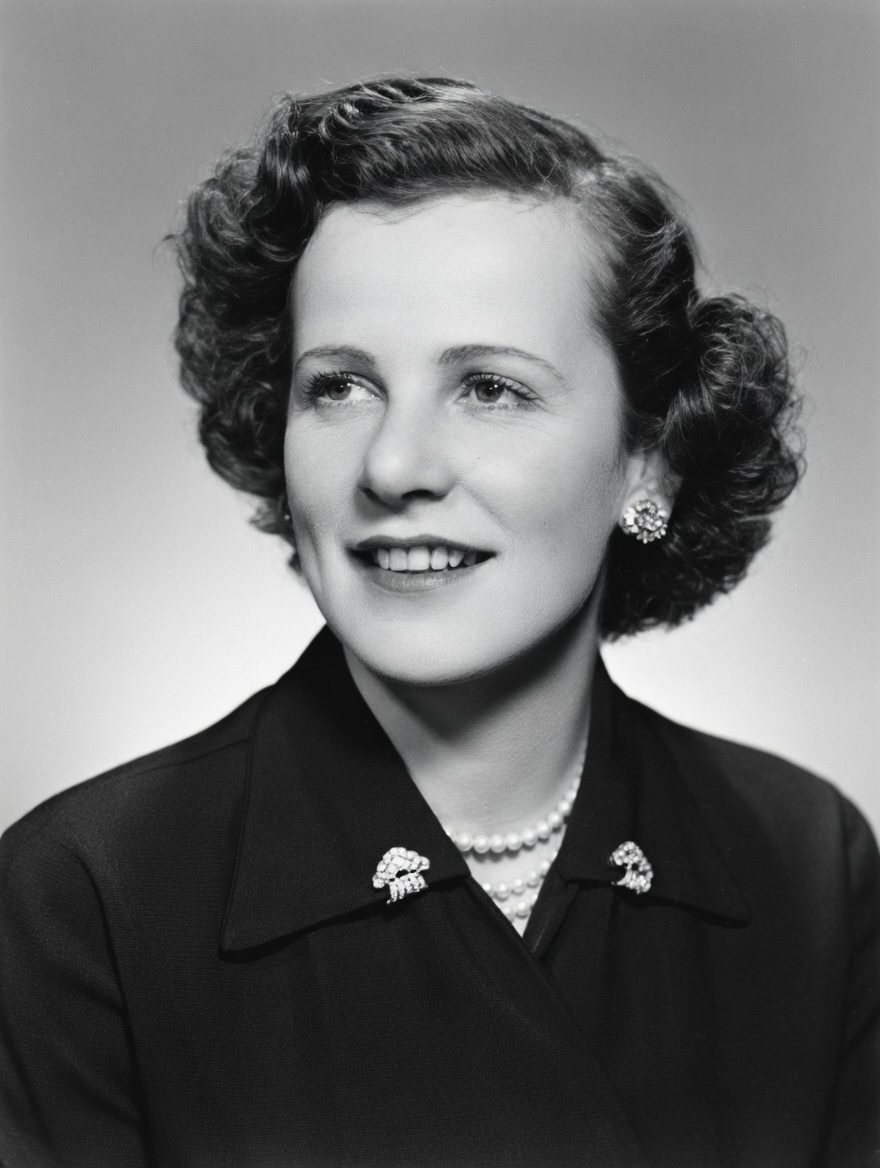
Patricia Hope Lumley | Seamstress | Interior Design
M A Y F A I R
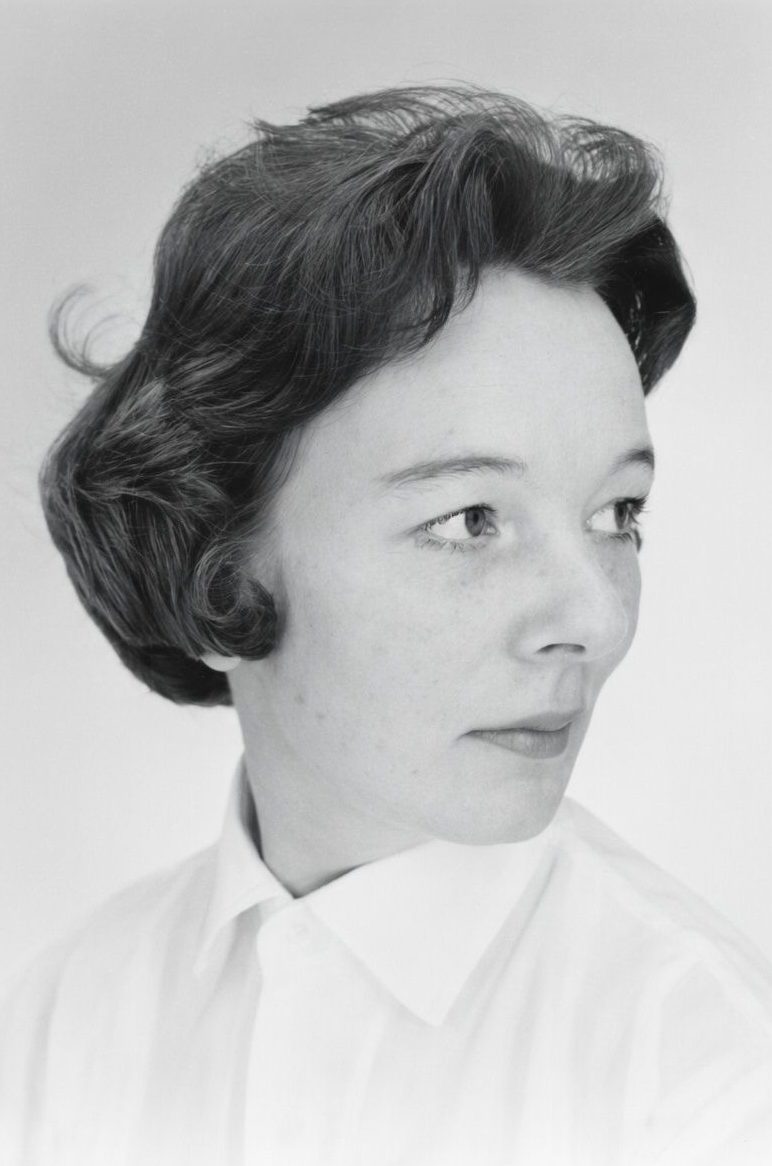
Priscilla Hope Lumley | Interior Design | Fabric & Textiles
Priscilla Hope Lumley
Priscilla Hope Lumley was raised with direct exposure to textile production through her father, a manufacturer of woven cloth, knitwear, and hosiery in Barrow upon Soar. She developed a small enterprise producing made-to-measure and ready-to-wear garments. Her family background extended to Polmont in Scotland, with connections to tartan and textile traditions.
Following art school training, she established a career in interior design in London, running her design studio from Cadogan Gardens and working across Belgravia, Fitzrovia, and Mayfair. She became connected to couture and textile networks, supplying fabrics to John Tullis, assistant to Norman Hartnell.
During a period in South Africa, she ran a fashion boutique with her daughter, maintaining professional connections within the fashion industry. Her work linked textile production, interior design, and fashion retail, continuing the family’s involvement in the industry.
H A N O V E R S Q U A R E
Joanna Hope Lumley
Born in Chelsea, London, and raised within a family environment shaped by couture, textiles, and design. From an early age, she became familiar with the standards of both atelier practice and client presentation.
A naturally gifted and accomplished artist who paints small, characterful scenes of people in everyday life, often set in Mediterranean settings such as cafés and social gatherings. Working across paint and line drawing, she captures human figures and natural surroundings with ease and sensitivity, with a particular strength in conveying texture.
She worked as a fit and catalogue model for HORROCKSES, contributing to the development and presentation of ready-to-wear collections influenced by the work of her grandmother, Kathleen Hope Lumley. Her role required precise fitting, consistency, and an understanding of garment movement and proportion.
She also worked as a fit model for her cousin, John Tullis, assisting in the refinement of collections through repeated fittings, contributing to the practical realisation of design, and the alignment between concept and the finished garment.
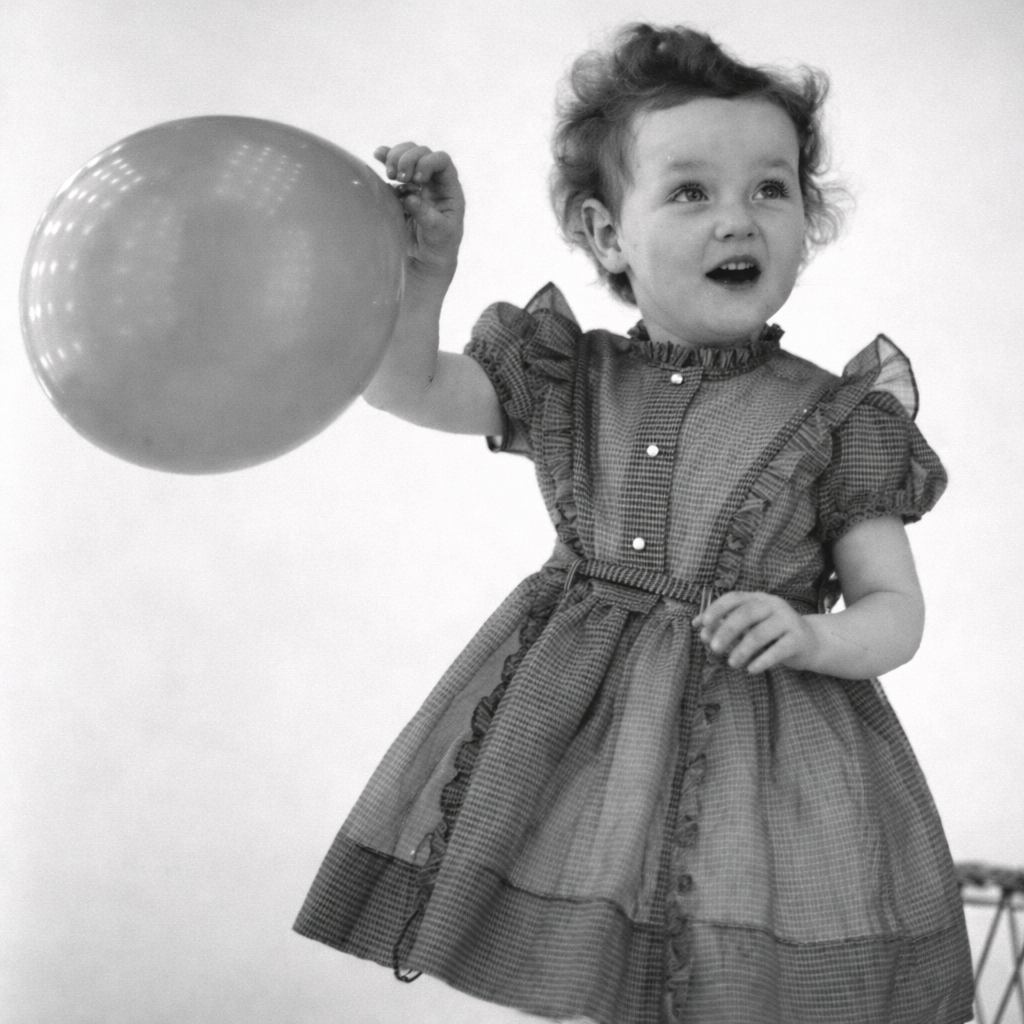
Joanna Hope Lumley | Catalogue Model | Boutique Manager
Stockists (UK) Coming Soon
Mayfair
Belgravia-Fitzrovia
Kensington-Chelsea
Cirencester-Bath-Marlborough
The Cotswolds
By Appointment
Monday - Friday
9:00 am - 8:00 pm
Saturday - Sunday
9:00 am - 2:00 pm
Hotel | Residences up-to 5 pm
Further links
Home
Collection
The House
Press
Terms of Use